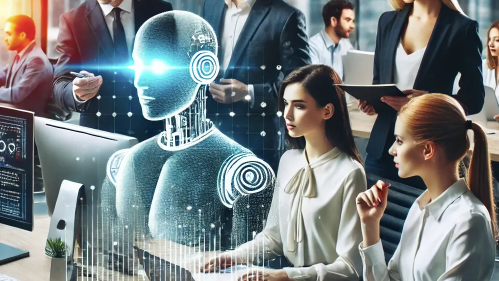

Web3 represents a significant shift in the digital landscape, characterized by decentralized control and user ownership. This new paradigm leverages blockchain technology to enhance privacy and empower individuals in managing their digital identities. As this evolution unfolds, it raises critical questions about its implications for existing societal structures and economic models. Understanding these dynamics is essential to grasp the full impact of Web3 on future interactions and governance.
What Is Web3 and Why It Matters?
As the digital landscape evolves, Web3 emerges as a transformative paradigm that seeks to redefine online interactions and ownership.
Central to its philosophy is decentralized ownership, which shifts control from centralized entities to individual users. This model fosters user empowerment, enabling individuals to manage their data and digital identities autonomously.
Consequently, Web3 represents a significant advancement toward a more equitable and user-centric internet.
Key Principles Driving the Evolution of Web3
The evolution of Web3 is driven by several key principles that collectively shape its architecture and functionality.
Decentralized governance ensures community engagement, while user ownership fosters trustless transactions.
Digital identity frameworks enhance privacy protection, and open protocols facilitate interoperability standards.
These principles collectively empower users, promoting a more equitable digital landscape and enabling a shift towards a decentralized and user-centric internet.
See also: Technology in Project Management
How Does Web3 Compare to Web2?
How does the shift from Web2 to Web3 redefine user interactions within the digital realm?
Web3 emphasizes decentralized applications, promoting user ownership and control over personal data.
Unlike Web2’s centralized platforms, which monetize user information, Web3 empowers individuals, fostering a trustless environment.
This transformation enhances privacy, security, and autonomy, ultimately enabling users to engage in a more equitable digital ecosystem.
How Will Web3 Transform Industries and Society?
While traditional industries have often relied on centralized systems for operations and interactions, the emergence of Web3 is poised to disrupt these norms significantly.
Decentralized finance will facilitate user ownership through tokenized assets, while digital identity systems enhance privacy.
Smart contracts and peer-to-peer networks foster community governance, promoting transparency and efficiency.
This transformation empowers individuals, reshaping societal structures and redefining economic paradigms.
Conclusion
In conclusion, Web3 represents a pivotal shift towards a decentralized digital future, challenging entrenched power structures and enabling individual agency. While its promise of enhanced privacy, ownership, and equitable governance is compelling, the realization of this vision hinges on overcoming significant technical, regulatory, and societal hurdles. As communities navigate this transformative landscape, the potential for a more just and inclusive digital society remains at stake, eliciting both hope and skepticism about the path forward.

 By
By